Why Randomness Is Essential in Gaming
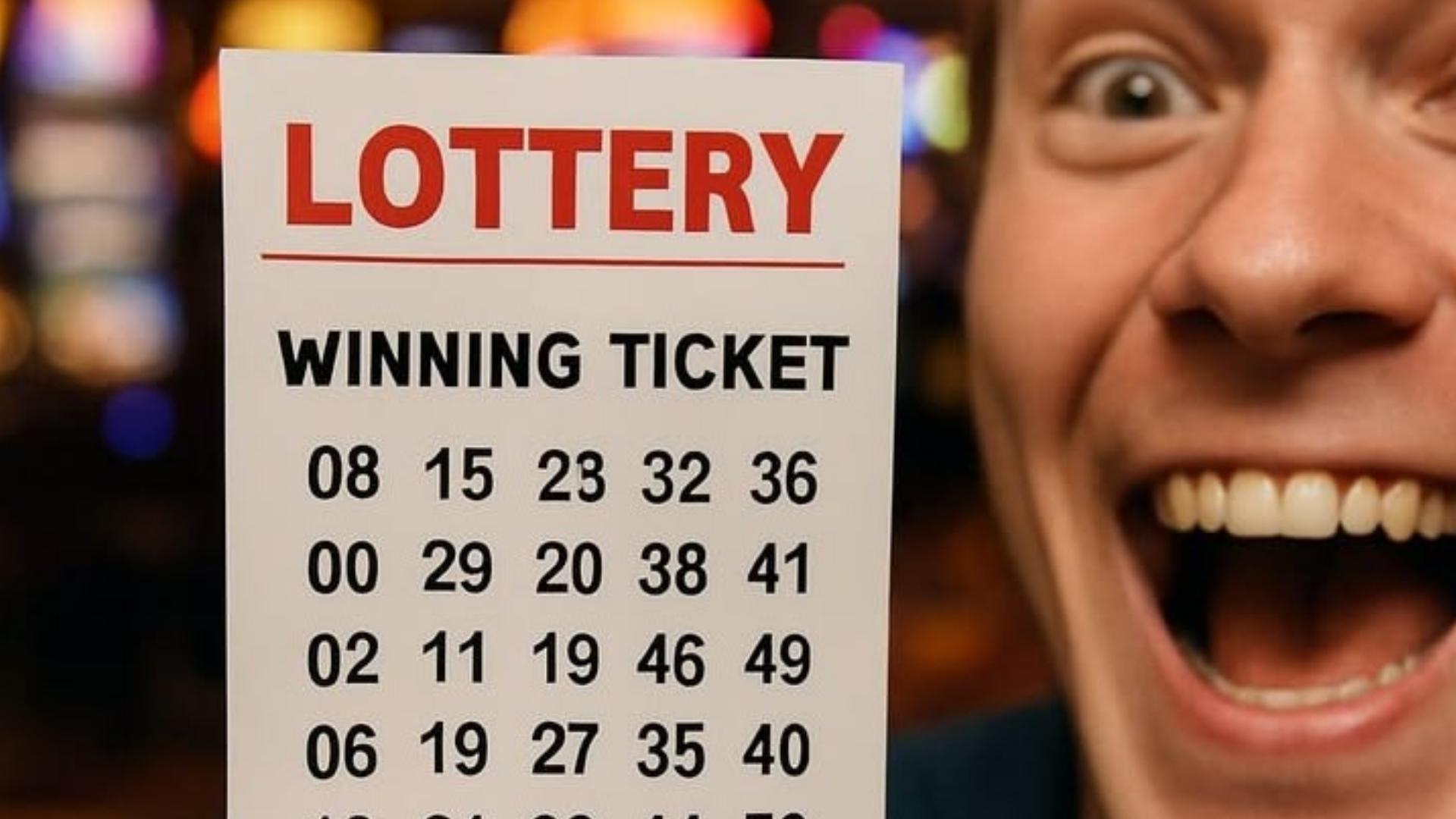
The modern digital gaming landscape relies heavily on unpredictable elements to keep players engaged and entertained. At the absolute core of interactive design is the concept of chance, which ensures that no two playthroughs feel exactly the same. Without these variable elements, digital games would quickly become static exercises in repetition rather than dynamic journeys of discovery.
Creating Replayability and Long-Term Engagement
Unpredictability is the primary mechanism that drives long-term replay value in modern software titles. When enemy placements, item drops, and environmental shifts change randomly, players must continuously adapt their strategies. This constant variety prevents optimal solutions from forming too quickly, significantly extending the lifespan of the game.
Furthermore, the thrill of the unknown triggers a powerful psychological reward system that enhances player satisfaction. Anticipating a rare reward or facing an unexpected challenge keeps the gameplay loop exciting over hundreds of hours. Consequently, developers leverage randomized logic to build active, dedicated player bases that sustain communities for years.
Leveling the Playing Field for All Skills
Incorporating elements of chance allows players of different skill levels to enjoy interactive entertainment together. While absolute determinism rewards only pure mechanical mastery, random occurrences give beginners a fair opportunity to experience victory. This balance creates a more welcoming ecosystem where casual enthusiasts do not feel constantly overwhelmed by experts.
Many popular platforms deliberately integrate these systems to foster highly social and competitive environments. For instance, gamers seeking well-balanced challenges often visit trusted portals like M88asia to explore diverse software offerings built on certified fair architectures. By blending tactical skill with strategic adaptability, modern games remain accessible without losing their competitive integrity.
Enhancing Realism and Immersive Choices
Real life is inherently unpredictable, and digital environments must mirror this uncertainty to feel truly immersive. When virtual worlds simulate organic randomness, such as changing weather patterns or spontaneous artificial intelligence decisions, they become far more believable. This simulation of real-world unpredictability forces players to think on their feet and make meaningful choices.
Every unpredictable event requires players to calculate risks and manage resources dynamically under pressure. Instead of memorizing button sequences, users must evaluate the current situation and adapt to shifting tactical realities. This deep cognitive engagement elevates simple digital interactions into profound, memorable entertainment experiences.
The Technological Foundation of Fair Design
To ensure that unpredictable mechanics remain fair, developers utilize sophisticated backend algorithms known as random number generators. These mathematical engines produce sequences that are statistically independent, meaning past outcomes have zero influence on future results. This computational neutrality is vital for maintaining player trust and satisfying strict global regulatory compliance standards.
Independent international testing laboratories frequently audit these algorithmic frameworks to certify their absolute integrity. When players know the software is genuinely unbiased, they can fully immerse themselves in the challenge without fear of hidden manipulation. Ultimately, secure mathematical randomness remains the invisible cornerstone that supports the entire global interactive entertainment industry.