The Best Practice Routine for Bridge Games
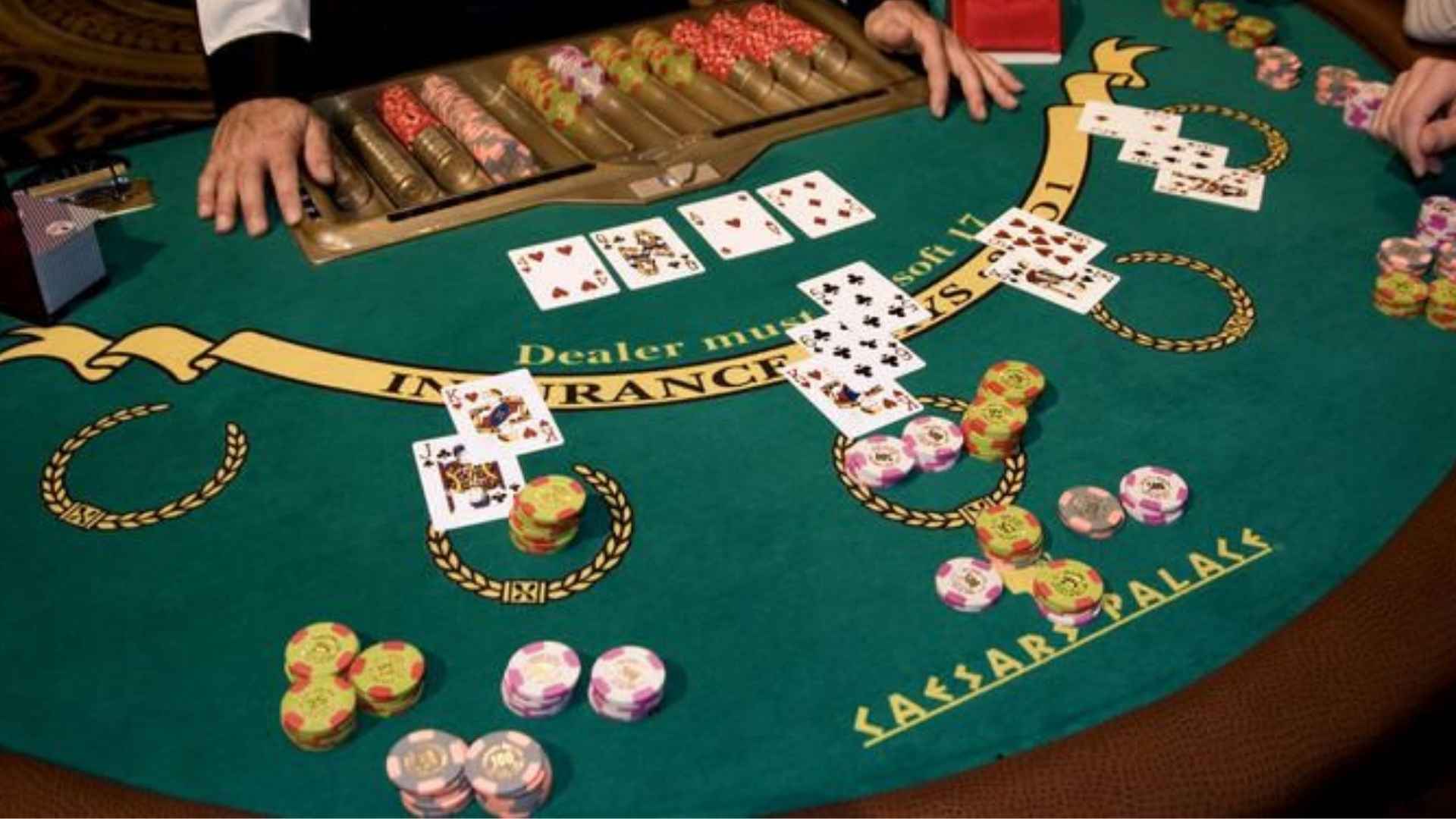
Bridge is a highly intellectual trick-taking card game that demands an excellent mixture of memory, logical reasoning, and smooth partnership coordination. To advance from a casual player to a highly competitive competitor, relying solely on occasional casual play is rarely sufficient. Developing a structured, deliberate training schedule is the ultimate way to refine your card-playing skills and boost your decision-making confidence.
Start with a Focused Solo Warm-Up
Every effective training session should begin with a brief period of solitary focus to prepare your mind for the complex logic ahead. Spending fifteen minutes solving bidding puzzles or defensive card play problems helps activate your cognitive functions and memory patterns. This initial step ensures you approach full games with a sharp, analytical mindset that is ready for deep strategy.
Many passionate players in the region leverage resources like M88 indonesia to access useful articles and mental exercises that support their daily brain preparation. Engaging in structured solo activities also allows you to focus on specific technical elements without the distraction of a ticking game clock. Over time, these brief warm-up periods accumulate into a robust foundation of theoretical game knowledge.
Simulate Real Hands with a Partner
Because bridge is fundamentally a partnership game, practicing communication with your regular partner remains an indispensable part of any solid routine. Dedicating specific sessions to bidding bidding-only hands allows you to align on complex card agreements and evaluate unusual distributions together. Working through simulated scenarios helps minimize painful misunderstandings before you enter highly competitive environments.
During these joint sessions, try to focus on quality and deep analysis rather than rushing through as many hands as possible. It is highly beneficial to pause after a difficult sequence to discuss alternative bids and find where communication broke down. This active cooperative learning style builds a deep trust that is absolutely vital for tournament success.
Analyze Past Hands and Errors
The true key to unlocking modern bridge excellence lies in honest self-evaluation and post-game review of your historical plays. Recording your complex hands and analyzing the tricks where you went wrong prevents you from repeating costly mistakes. Dedicated study of your past decisions will highlight defensive signaling errors or poor declarer strategies that need immediate adjustment.
Using online archives or software to replay challenging hands allows you to see how minor adjustments could yield better scores. This systematic review process transforms frustrating losses into invaluable learning opportunities that build long-term confidence. Eventually, regular post-mortem analysis will turn your strategic adjustments into completely natural, automatic reactions during live play.