Table Games That Inspire Competition
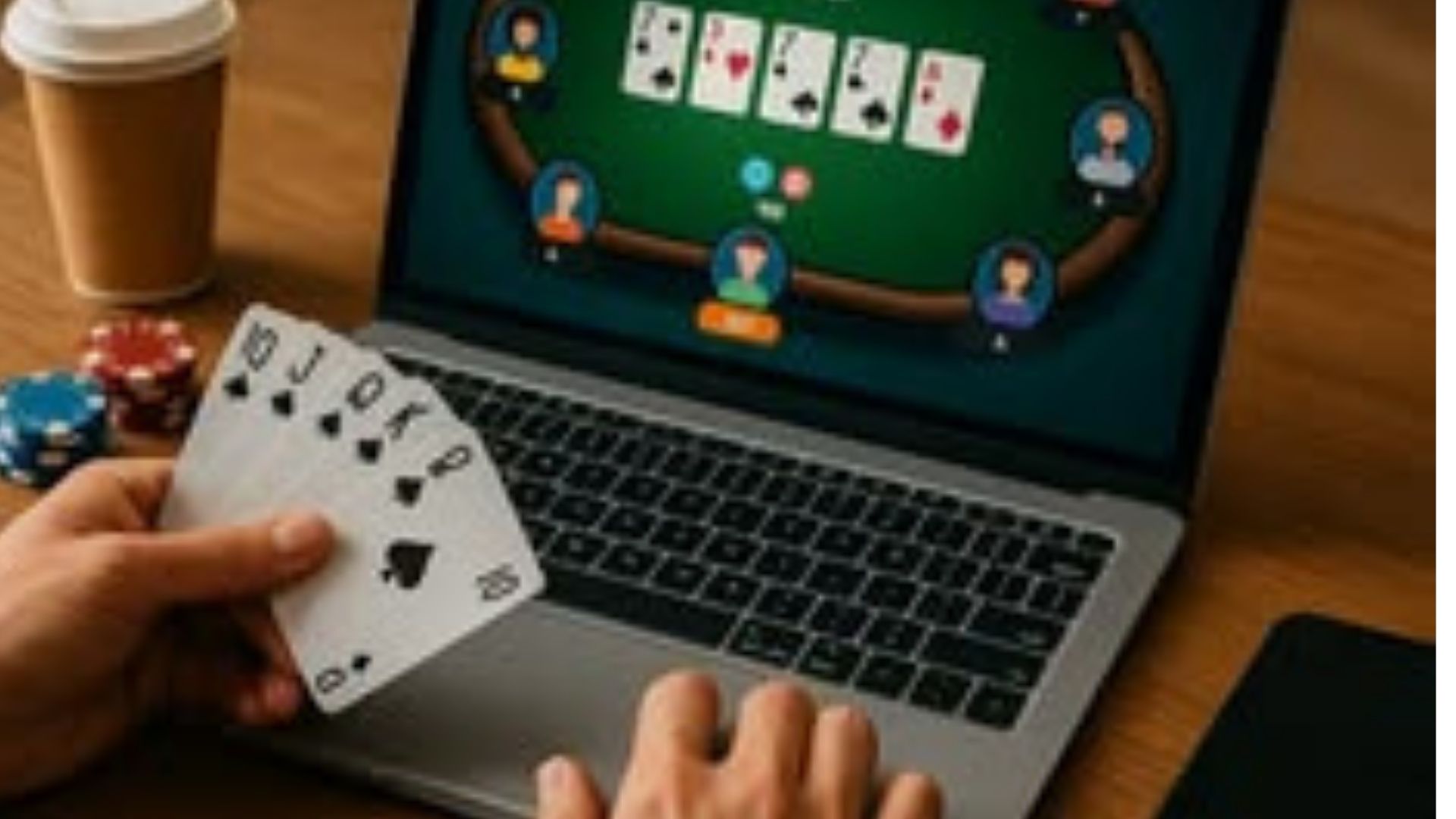
Tabletop gaming has long served as a vibrant arena where friends and rivals gather to test their skills and push their strategic limits. Unlike purely digital entertainment, physical and simulated table games require players to look their opponents in the eye, turning every match into a deep psychological battle of wits. Whether sitting around a wooden board or a felt surface, these experiences cultivate a unique drive to improve, adapt, and ultimately win.
The Psychology of Tabletop Rivalry
Healthy competition is driven by the desire for mastery and the thrill of outsmarting an opponent through careful preparation. When players engage in head-to-head table games, they must continuously analyze their rival's body language and predictable patterns. This close interaction turns a simple pastime into a dynamic exercise in emotional control and tactical decision-making.
Moreover, the tangible elements of rolling dice, handling cards, or moving physical tokens add a satisfying weight to every strategic choice. This sensory connection makes both the narrow victories and the close defeats feel incredibly impactful for the participants. Over time, these shared triumphs and challenges build a supportive community where players inspire each other to reach higher performance levels.
Classic Games that Demand Skill
Certain classic options are specifically designed to strip away elements of luck, placing the entire outcome of the match on pure player capability. Games like chess and checkers are perfect examples, where both participants start with identical pieces and complete visibility of the board. In these arenas, success depends entirely on long-term planning, pattern recognition, and the ability to anticipate multiple moves ahead.
For those looking to transition these traditional skills into modern interactive environments, discovering a dedicated online gaming hub can provide the perfect stage. Exploring competitive options at M88asia offers players a secure and highly professional platform to test their strategic limits. Engaging in such structured environments helps players refine their analytical thinking under pressure while enjoying a highly polished user experience.
How Competition Fosters Growth
Participating in competitive table games is not just about securing a victory; it is also an excellent way to develop essential life skills. Players regularly practice resilience as they learn to recover from unexpected setbacks and adapt their strategies mid-game. This constant cycle of trial and error keeps the human brain active, sharp, and highly receptive to new learning opportunities.
Ultimately, the shared pursuit of excellence is what makes these table games so incredibly enduring across generations. By encouraging participants to bring their absolute best to the table, these games turn routine social gatherings into memorable tournaments. It is this spark of inspiration that ensures the competitive spirit of tabletop gaming will continue to thrive for many years to come.